
Add Row
Add Element
cropper
update
update
Add Element
  • Home
  • Categories
    • Featured Business
    • Fitness
    • Health and Wellness
    • Home Ideas
    • News and Events
August 09.2025
2 Minutes Read

The Rising Protein Trend: How Restaurants adapt to Consumer Demand

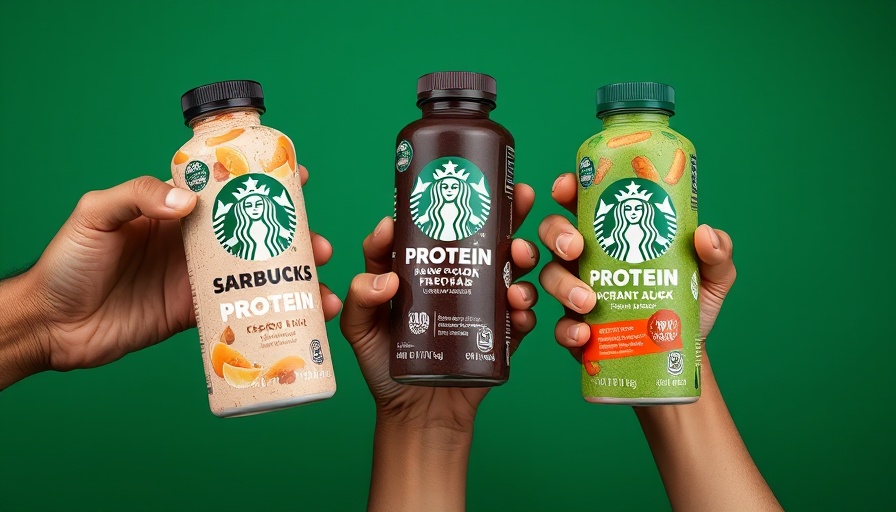
Protein drink brands in focus, related to protein trends in restaurants.

Understanding the Protein Trend in Dining

The growing obsession with protein has intensified significantly in the U.S. restaurant industry, with nearly a third of consumers now actively seeking high-protein options. As chains like Starbucks and Chick-fil-A introduce or promote protein-rich menu items, they hope to capitalize on a health-conscious wave sweeping across dining trends.

Why the Shift Towards Protein?

For consumers, particularly younger generations such as millennials and Gen Z, protein isn’t just a dietary choice but part of a broader commitment to health and wellness. Julia Mills, a food and drink analyst, points out that these age groups are increasingly proactive about their health, driven partly by social media narratives that emphasize strength and muscle-building. This reflects a fundamental shift away from diets that do not prioritize protein, leaving restaurants eager to meet demand.

Implications for the Restaurant Industry

The rise of protein on menus signifies not just a passing fad but a vital business strategy. Restaurant chains are seeking to broaden their appeal and justify higher price points amid a backdrop of cautious consumer spending. As chains roll out unique offerings, such as Starbucks' forthcoming protein cold foam, diners might pay premium prices for added nutritional value, allowing businesses to adapt and thrive in this competitive landscape.

Embracing the Protein Obsessed Market

With the use of GLP-1 medications for weight management becoming more common, there is a notable demand for satiating, protein-rich meals. This is evident in grocery aisles and restaurant menus alike, reflecting changing consumer behavior. As these trends evolve, they present lucrative opportunities for restaurants and food manufacturers alike, highlighting the necessity for businesses to innovate in response to shifting consumer preferences.

Concluding Thoughts on Future Business Strategies

As the protein trend persists, restaurants in San Jose, CA, and beyond have the chance to incorporate this growing demand into their business models. By tapping into current wellness trends and diversifying their offerings, restaurants can ensure sustainable growth and reflect the needs of their customer base effectively. To seize these market opportunities, now is the time for culinary entrepreneurs to refine their business ideas and marketing strategies.

Featured Business

2 Views

0 Comments

Write A Comment

*
*
Related Posts All Posts
12.06.2025

Netflix's Ambitious $72 Billion Deal with Warner Bros: Is It a Game-Changer?

Update The Netflix-Warner Bros Deal: A Game-Changer in Streaming In a move that sent shockwaves through the media landscape, Netflix has announced its intent to acquire Warner Bros. Discovery's streaming and film assets for a staggering $72 billion. This merger represents a seismic shift for the streaming industry, as it consolidates two of the largest platforms into a single entity with formidable market power. Currently, Netflix boasts approximately 300 million subscribers, while Warner Bros.' HBO Max contributes an impressive 128 million. Together, they would capture about 56% of global mobile app active users, establishing Netflix as an uncontested leader in original content. Antitrust Concerns Linger Over the Merger Despite Netflix's assurances of a "pro-consumer" and "pro-innovation" deal, the transaction faces significant regulatory hurdles. The Trump administration's skepticism, particularly from lawmakers like Senator Elizabeth Warren, mirrors a bipartisan concern regarding potential monopolistic practices. Warren characterized the merger as an "anti-monopoly nightmare," highlighting fears of increased subscription costs and reduced choices for consumers. The Department of Justice (DOJ) has indicated it will closely scrutinize the merger, emphasizing that the stakes are high given its potential impact on market dynamics. The review process could stretch months to over a year, reflecting the gravity of the transaction in reshaping the entertainment landscape. From Competition to Consolidation The implications of the merger extend beyond mere subscriber counts. As the streaming wars intensify, consolidating resources and content creation capabilities can create efficiencies that benefit consumers, but they also threaten to diminish competition among smaller players. Critics argue that, as Netflix's market share expands, consumer choice diminishes — a sentiment echoed by various industry analysts. To bolster its position, Netflix has committed to a $5.8 billion breakup fee to Warner Bros. should the deal falter due to antitrust challenges. This commitment underscores Netflix's confidence but also its recognition of the regulatory storm it must navigate. Future of Streaming: Will the Deal Pay Off? Netflix executives, including co-CEO Ted Sarandos, remain optimistic, suggesting that the merger will foster growth and innovation in content creation. They propose that the consolidation could invigorate both platforms, allowing them to deliver more comprehensive and innovative programming. However, the true success of the merger hinges on its ability to deliver on these promises amidst mounting scrutiny. The path ahead may be rife with challenges, but for residents of San Jose and beyond, understanding the trajectory of this landmark merger could offer valuable insights into not just the future of streaming but broader economic trends in the entertainment sector.

12.05.2025

Ulta Beauty's Impressive Growth Signals Consumer Confidence in 2025

Update The Beauty Boom: Ulta's Record Growth Amidst Economic Challenges In a remarkable display of resilience, Ulta Beauty has once again captured market attention with an impressive third-quarter earnings report that surpassed Wall Street expectations. Following this performance, the beauty retailer has raised its sales and earnings outlook for the second consecutive quarter, indicating a robust consumer demand for beauty products, even as households exhibit caution in other discretionary spending areas. Consumer Trends and Spending Patterns Despite economic uncertainty, consumers continue to prioritize beauty products, evidenced by Ulta's expected net sales reaching approximately $12.3 billion, a significant increase from last year's $11.3 billion. This uptick is steep, supported by a 6.3% rise in comparable sales. Such consumer behavior suggests that, while shoppers trim budgets in other categories, beauty remains a crucial investment—particularly during the holiday season. Strategic Growth and Marketing Insights CEO Kecia Steelman attributes the surge to a well-executed blend of new product assortments and strategic marketing campaigns that resonate with consumers. Steelman noted that beauty enthusiasts are still willing to spend on high-value items tailored for seasonal needs and gift-giving. With insights indicating a tight consumer budget, Ulta is leveraging limited editions and early gift set drops to maintain customer interest and relevance during this critical retail period. Challenges and Competitive Landscape However, Ulta faces increasing competition from big-box retailers like Walmart and online platforms, such as Amazon and emerging e-commerce players. As beauty market dynamics shift, the brand must remain adaptable, utilizing consumer insights to navigate fiscal headwinds. They reported a cautious yet optimistic outlook, suggesting that being attuned to market realities remains essential. Implications for Local Business Owners For local business owners, Ulta's performance underscores the importance of understanding consumer behavior in a fluctuating market. As Ulta amplifies its digital experiences, local retailers can draw lessons on enhancing customer engagement through similar strategies. Starting your own beauty business or injecting dynamism into an existing one demands a deep understanding of market trends and consumer needs—something Ulta exemplifies with its recent financial success. As we look ahead to 2025, it’s crucial for entrepreneurs to reflect on successful business strategies employed by giants like Ulta, tapping into consumer insights to drive their own business growth. Whether it's through innovative marketing or unique product offerings, there are myriad opportunities to capitalize on the beauty boom.

12.04.2025

Why the Denim War of 2025 Matters: Insights from A-List Campaigns

Update The Rise of Celebrity-Centric Denim Marketing In recent years, the denim market has witnessed an unprecedented surge in celebrity-driven marketing campaigns, particularly from legacy brands like Levi Strauss, American Eagle, and Gap. As these retail giants vie for consumer attention, they have turned to high-profile figures such as Beyoncé and Sydney Sweeney to invigorate their brand narratives and drive sales in an increasingly competitive landscape. The phenomenon, often referred to as a "denim war," is not just about selling jeans; it’s a strategic battle over relevance and cultural connection in a rapidly evolving fashion environment. Why Now? The Denim Resurgence The global jeans market has expanded to a staggering $101 billion, reflecting a 28% increase since 2020, as stated by Euromonitor International. This resurgence is partially fueled by shifting consumer preferences emerging post-COVID-19. Analysts argue that youthful shoppers are reclaiming denim as a staple, favoring comfort and individuality. As denim becomes a coveted staple once more, brands must adapt their strategies to align with the wants of a new generation that prioritizes value and authenticity. Notable Celebrity Campaigns and Their Impact Levi’s partnership with Beyoncé around her album 'Cowboy Carter' exemplifies how star power can translate into significant commercial success. Reports indicate that the campaign generated over 4.3 billion impressions and led to a 12% increase in net revenue. This highlights the tangible benefits of well-executed celebrity collaborations that resonate with consumers. Conversely, American Eagle's marketing with Sydney Sweeney has been mixed; while initially drawing significant attention, it also faced backlash, sparking discussions about deeper cultural narratives in advertising. Strategies for Standing Out in a Saturated Market As the denim market heats up, the need for differentiation becomes paramount. Gap’s recent "Better in Denim" campaign with the rising girl group Katseye served to reclaim the attention of younger customers, effectively balancing brand loyalty with fresh, relatable content. The intersection of authenticity and creativity is crucial for success; brands must create advertisements that resonate on a personal level with their audience rather than relying solely on starpower. Future of Denim in Retail Looking ahead, it is likely that the demand for diverse denim styles—ranging from wide-leg to bootcut—will continue to rise as individual expression in fashion prevails. Companies that capitalize on these trends through innovative storytelling and leveraging social media will likely emerge as leaders in this growing category. As retail continues to undergo transformation, the ongoing battle for denim supremacy will reflect broader changes within the fashion landscape. The recent developments in the denim market illustrate the power of celebrity influence in shaping consumer behavior and brand perception. For stakeholders and consumers in San Jose, CA, recognizing these shifts can inform purchasing habits and investment strategies moving into 2025.

Terms of Service

Privacy Policy

Core Modal Title

Sorry, no results found

You Might Find These Articles Interesting

T
Please Check Your Email
We Will Be Following Up Shortly
*
*
*